Trade, cultivation & exchange
The world, redrawn by spice.
Spices did more than season food. They connected farms, forests, ports, caravans, kitchens, pharmacies, courts, and eventually global industries. This is the long story—from local knowledge and ancient exchange to modern production and traceability.
A network, not a single road
Spice history belongs to many places at once.
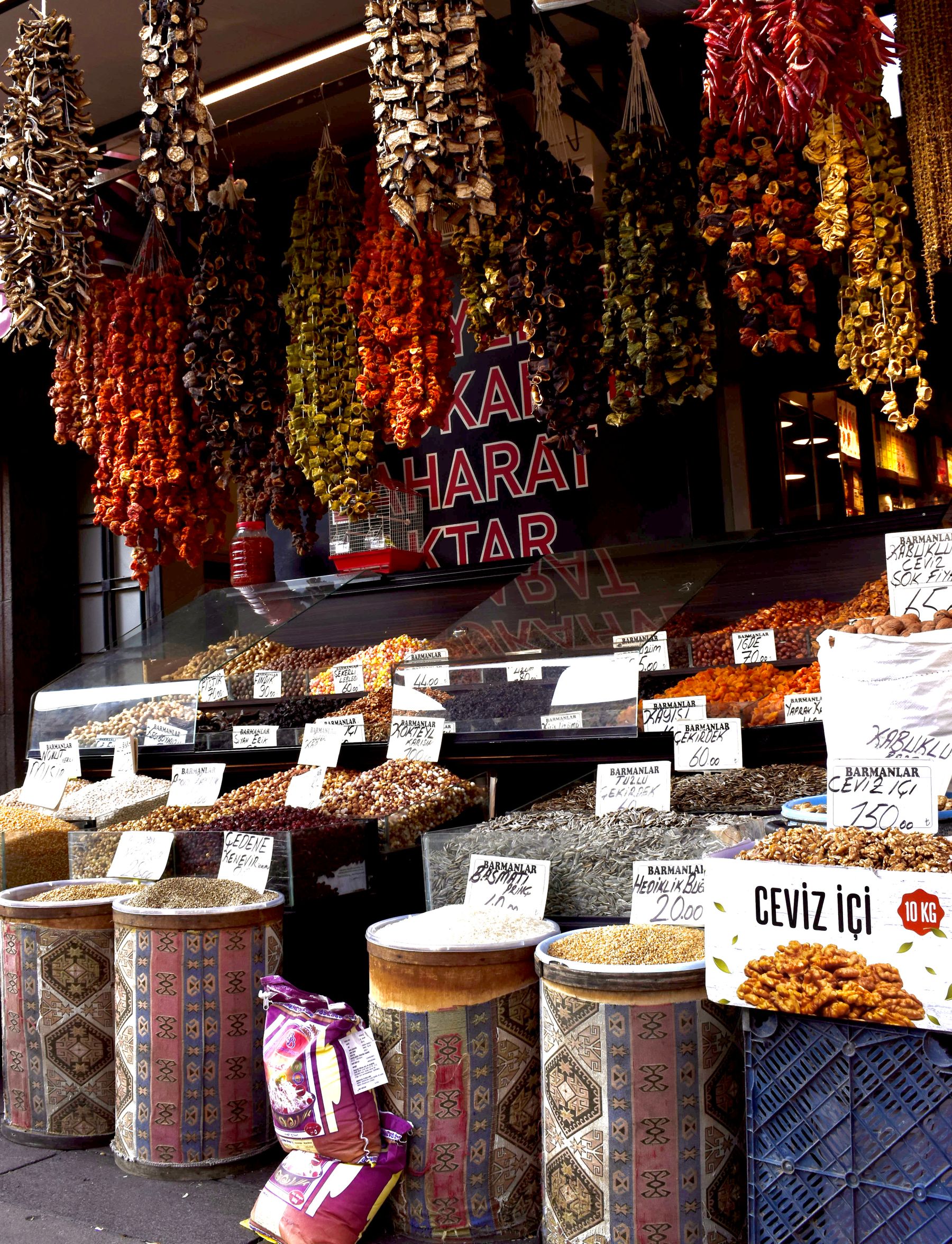
There was never one “Spice Route.” Aromatic plants were first understood within the landscapes where people gathered and cultivated them. Knowledge moved outward through overlapping land and sea networks: across South and Southeast Asia, the Indian Ocean, the Red Sea, the Persian Gulf, Central Asia, East Africa, and the Mediterranean. UNESCO describes the Silk Roads as plural networks of land and maritime routes; the sea passages became especially important for the movement of spices.
These networks carried far more than merchandise. Sailors, farmers, translators, merchants, healers, cooks, pilgrims, and craftspeople carried techniques, beliefs, measurements, tastes, and names. A spice arriving at a distant port could enter a new cuisine, acquire a new commercial identity, and create demand that reached back through several intermediaries to its growing region.
A selective chronology
From landscape knowledge to global systems.
This timeline follows broad changes in production, exchange, and control. Dates are deliberately approximate because different routes rose, declined, and overlapped over long periods.
Before formal long-distance routes
Local plants, local expertise
Long before written trade records, communities learned which barks, seeds, fruits, roots, resins, and leaves could preserve, perfume, color, or transform food. Production began as ecological knowledge: when to collect, how to dry, how to protect a harvest from moisture, and how to reproduce desirable plants. Many aromatics remained regional; others moved gradually through neighboring communities.
That origin matters. Global trade did not invent spice knowledge—it expanded the distance between the people who produced an ingredient and those who consumed it.
Ancient land and sea exchange
Ports became translators
As navigation and caravan trade became more organized, high-value, low-volume goods could travel farther. Spices suited this movement: they could command value without occupying the space of grain, timber, or stone. Indian Ocean monsoon knowledge allowed seasonal sailing between South Asia, Arabia, East Africa, and Southeast Asia, while Red Sea and Mediterranean connections linked maritime cargo to inland markets.
No single merchant normally controlled the entire journey. Goods passed through chains of producers, collectors, brokers, financiers, carriers, and market sellers. With every transfer came grading, repacking, taxation, storytelling, and sometimes substitution.
From the second century BCE onward
Silk Roads intensify exchange
UNESCO’s work on the Chang’an–Tianshan corridor notes that long-distance exchange increased by the second century BCE. The wider Silk Roads connected established routes rather than forming a single continuous highway. Valuable aromatics traveled beside textiles, metals, glass, horses, ceramics, and paper. Caravan cities and ports offered storage, credit, translation, protection, and access to new buyers.
Cultural exchange followed the goods. Ingredients entered medical traditions and religious practices as well as cooking. Names changed between languages, and distant consumers often knew a market of purchase better than the landscape of production.
Medieval commercial worlds
Specialists managed distance and risk
Across the medieval period, merchants operating through the Indian Ocean, Persian Gulf, Red Sea, Central Asian, and Mediterranean worlds coordinated complex transactions. Port communities were multilingual and commercially adaptive. Contracts, partnerships, credit, seasonal sailing, and caravan logistics helped distribute risk across long journeys.
Production remained highly place-specific. Pepper, cinnamon, cloves, nutmeg, saffron, cumin, and other aromatics required different climates and labor systems. Drying and cleaning near the growing area were essential because moisture, mold, insects, and breakage could destroy value before a shipment reached its next market.
Fifteenth to seventeenth centuries
Ocean routes and coercive control
European maritime expansion did not create the spice trade; it entered and violently redirected older commercial systems. Portuguese, Dutch, English, and other chartered interests sought direct ocean access, exclusive contracts, fortified ports, and control over producing islands and shipping lanes. Competition for cloves, nutmeg, pepper, and other commodities became entangled with conquest, forced monopoly, colonial rule, and labor exploitation.
This era changed maps and corporate forms, but local producers, Asian merchants, and established ports continued to shape actual supply. The history should not be reduced to European “discovery”: the routes, products, and expertise were already known to the societies through which Europeans sailed.
Early modern crop movement
Plants crossed oceans too
Expansion linked the Atlantic and Pacific more tightly to older Indian Ocean systems. Chiles originating in the Americas spread rapidly into Africa, Europe, South Asia, East Asia, and Southeast Asia, where growers and cooks selected them for local conditions and cuisines. Other plants also moved far beyond their first centers of cultivation.
Once established in a new region, a crop did not remain culturally foreign. Farmers adapted varieties; cooks placed them inside existing techniques; traders developed new grades and names. Today, some of the strongest regional identities are attached to spices whose botanical ancestors arrived from another continent.
Nineteenth and twentieth centuries
Steam, milling, standards, brands
Steam transport, railways, mechanized milling, printed packaging, and industrial food production changed how spices reached consumers. More product could move on predictable schedules. Grinding shifted from household and market practice toward specialized processors, while branded containers promised identity and consistency.
Science and regulation gradually added new forms of control: moisture testing, microbiology, adulteration detection, pesticide rules, labeling, and standardized documentation. These systems improved repeatability but could also hide the agricultural diversity behind a uniform powder. Commodity grades made trade easier; they did not eliminate differences between crops, origins, or processing methods.
Twenty-first century
Traceability joins flavor
Modern spice supply chains combine traditional agricultural work with container shipping, cleaning, treatment, laboratory testing, blending, digital records, and multiple layers of food-safety review. Buyers increasingly ask not only “what does it taste like?” but “which lot, which origin program, which controls, which documents, and which change process?”
Climate volatility, water stress, crop disease, labor conditions, and geopolitical disruption make continuity planning more important. At the same time, geographic indications, regional storytelling, and direct sourcing can reconnect a product with place. The strongest modern systems make that story verifiable rather than decorative.
Production behind the trade
A spice is shaped before it reaches a ship or shelf.
Production decisions begin with genetics and ecology: variety, soil, shade, rainfall, temperature, and harvest maturity. They continue through picking, cutting, peeling, fermenting where relevant, drying, cleaning, grading, and storage. The path differs by ingredient. A berry dried whole, a bark peeled and rolled, a stigma picked by hand, and a chile milled into flakes have almost nothing in common operationally.
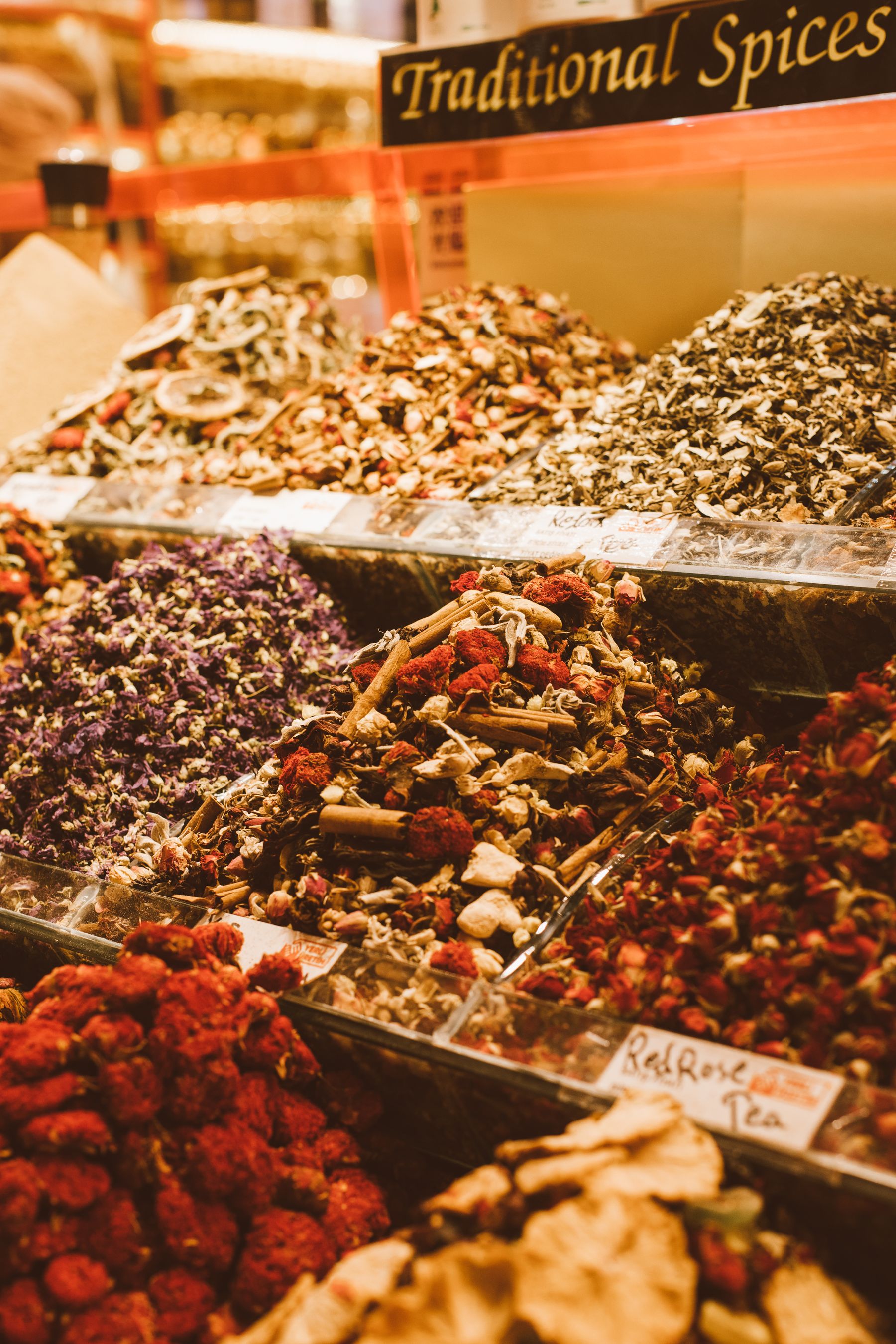
Drying is one of the most consequential steps. It must reduce moisture enough for stability while protecting color, aroma, and cleanliness. Traditional sun drying can create a distinctive regional process; controlled drying can improve predictability. Neither label alone guarantees quality. Good practice depends on surfaces, weather, time, airflow, handling, and protection from contamination.
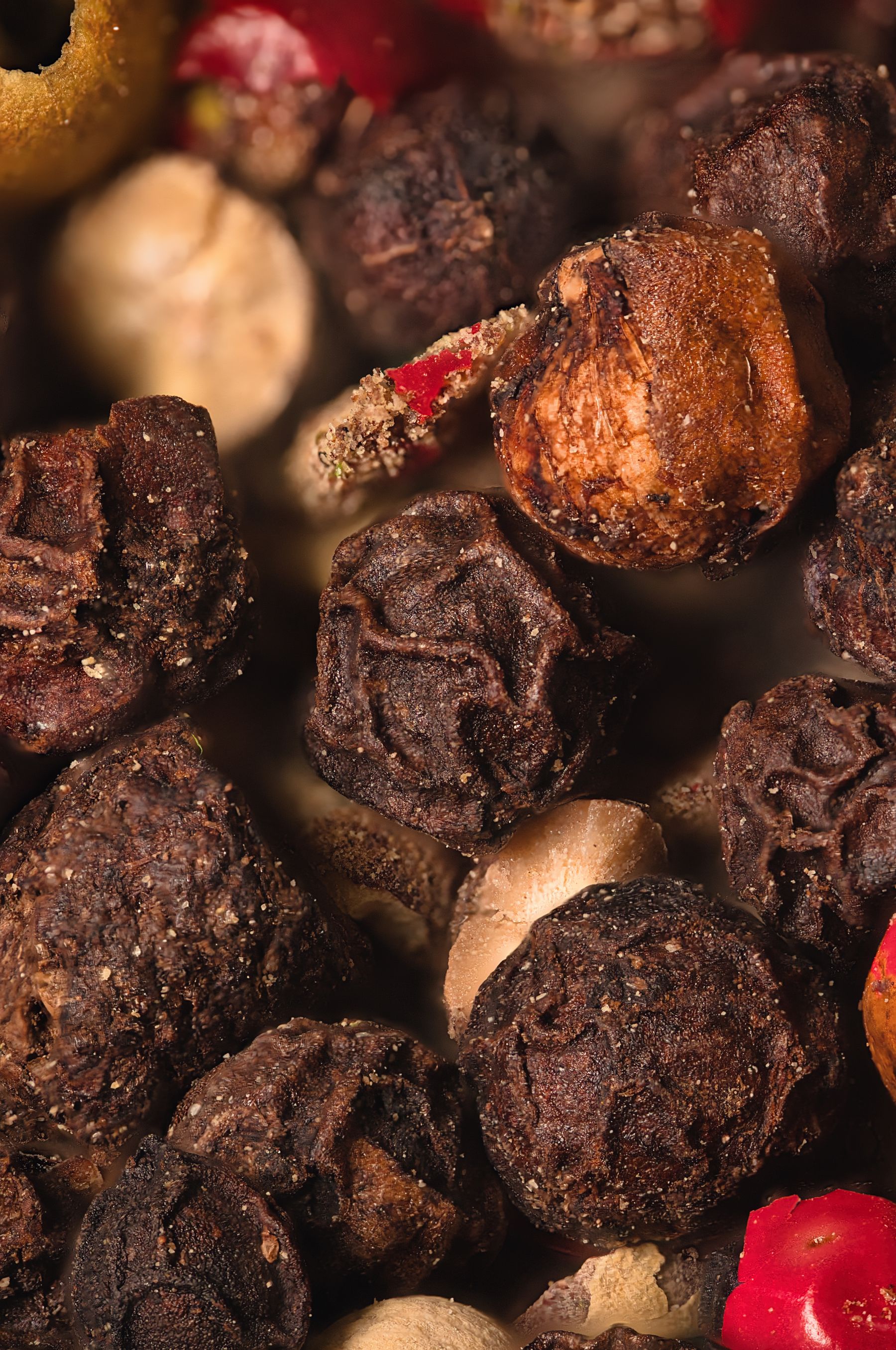
After primary processing, spices may be cleaned, sorted, sterilized or otherwise treated according to the program, milled, sieved, blended, packed, and tested. Every handoff can preserve identity or blur it. This is why modern specifications connect sensory requirements to physical, chemical, microbiological, regulatory, and documentation controls.
What the long history teaches
Flavor has always depended on relationships.
Routes change.
Production regions, ports, borders, and commercial powers shift. A resilient program understands alternatives without treating origins as interchangeable.
Knowledge travels.
Techniques and tastes move with people. Culinary authenticity is historical and living—not a frozen checklist detached from migration and exchange.
Power matters.
Spice wealth has supported cities and livelihoods, but also monopoly, colonial violence, and exploitation. Responsible storytelling must hold both truths.
Evidence matters now.
Modern buyers can ask for traceability, specifications, tests, and supplier practices that earlier consumers could not see. Transparency is part of product quality.